Battaglia and Steele's Small Animal Emergency and Critical Care for Veterinary Technicians
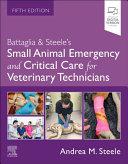
Již s pátým vydáním Battagliovy a Steely akutní medicíny zvládnete svoji roli veterinárního asistenta ve specializovaných pracovištích ošetřující akutní pacienty. Nové vydání poskytuje rychlý přístup k desítkám běžných, život zachraňujících protokolů a postupů. Každá léčebná technika je podrobně popsána krok za krokem a barevně ilustrována.
Pro vaši přípravu na veterinární prostředí je kladen důraz na týmový přístup. Díky dvěma novým kapitolám a praktickým, snadno použitelným cvičením z lékařské matematiky a scénářů Vás tento zdroj připraví na úspěšné působení na veterinární klinice, ve veterinárních ordinacích a na pohotovostech ve veterinárních nemocnicích.
Novinkami v tomto vydání jsou:
Aktualizovaný a rozšířený obsah udrží čtenáře v obraze s nejnovějšími pokroky v urgentní a intenzivní péči o malá zvířata.
Podrobné pokyny ukazují, jak provádět specifické postupy a techniky, a provedou vás klíčovými technikami hodnocení a léčby.
Komplexní pokrytí léčby bolesti, respiračních a urologických nouzových stavů poskytuje špičkové možnosti léčby pro širokou škálu běžně se vyskytujících problémů.
Popsání vybavení a technik zahrnuje nejnovější pokroky v základním laboratorním vybavení, fluidní a kyslíkové terapii.
Opakování a příprava na VTNE (Veterinary Technic National Examination) zahrnuje cvičení z lékařské matematiky a otázky založené na reálných scénářích.
Poznámky pro technika zdůrazňují specifické postupy pomocí diagramů, fotografií a podrobných pokynů, které poskytnou čtenáři přehledné pokyny.
Autor: Andrea M. Steele, MSc, RVT, VTS(ECC)-Life, Chair of Animal Care Programs, Conestoga College, Kitchener, Ontario
| Nakladatel | Elsevier Saunders |
|---|---|
| ISBN | 9780443278266 |
| Vydání | V. vydání 2025 |
| Vazba | brožovaná, mírně obarvené listy sleva 10% |
| Počet stran | 444 |
Master the veterinary technician’s role in caring for critically ill or injured pets! Battaglia & Steele's Small Animal Emergency and Critical Care for Veterinary Technicians, Fifth Edition, provides quick access to dozens of common, lifesaving protocols and procedures. Each treatment technique is described in step-by-step detail and illustrated in full color. To prepare you for the veterinary setting, a team approach is emphasized. With two new chapters and practical, easy-to-apply medical math and scenario-based exercises, this resource sets you up for success on the VTNE, in veterinary practices, and in animal hospital emergency departments.
NEW! Two additional chapters, High-Flow Nasal Oxygen and Renal Replacement Therapy, provide the latest information on these vital areas in emergency and critical care
NEW! Updated and expanded content throughout keeps you current with the latest advances in small animal emergency and critical care
Step-by-step instructions demonstrate how to perform specific procedures and techniques, guiding you through key assessment and treatment techniques
Comprehensive coverage of pain management, respiratory emergencies, and urologic emergencies provides cutting-edge treatment options for a wide variety of commonly seen presenting problems
Coverage of equipment and techniques includes the latest advances in basic lab equipment, fluid therapy, and oxygen therapy
Review and preparation for the VTNE (Veterinary Technician National Examination) includes Medical Math exercises and questions based on real-world scenarios
Technician Notes highlight specific procedures with diagrams, photos, and detailed instructions, providing you with at-a-glance guidance
Two new chapters, High-Flow Nasal Oxygen and Renal Replacement Therapy, provide the latest information on these vital areas in emergency and critical care
New and expanded content throughout
| SECTION I: CRITICALLY ILL SMALL ANIMALS | 2 |
| 1. Critical Thinking - Skills of Observation and Interpretation | 2 |
| 2. Monitoring of the Critically Ill or Injured Patient | 8 |
| 3. Patient's Lifeline: Intravenous Catheter | 37 |
| 4. Fluid Therapy | 50 |
| 5. Transfusion Medicine | 63 |
| 6. Nutritional Support for the Critically Ill Patient | 86 |
| 7. Oxygen Therapy Techniques | 98 |
| 8. High-Flow Nasal Oxygen | 106 |
| 9. Mechanical Ventilation | 111 |
| 10. Exctracorpreal Therapies | 119 |
| 11. Pain Assessment and Treatment | 127 |
| 12. Supporting the Critically ill or Injured through Physical Rehabilitation Techniques | 139 |
| 13. Anesthesia in the Critically Ill or Injured Patient | 150 |
| 14. Isolation Techniques in Clinical Practice | 168 |
| SECTION II: EMERGENCY CARE FOR SMALL ANIMALS | 178 |
| 15. Emergency Receiving | 178 |
| 16. Management of Patients in Shock | 190 |
| 17. Cardiopulmonary Resuscitation | 202 |
| 18. Traumatic Emergencies | 217 |
| 19. Hematologic Emergencies | 231 |
| 20. Cardiovascular Emergencies | 249 |
| 21. Respiratory Emergencies | 268 |
| 22. Gastrointestinal Emergencies | 278 |
| 23. Metabolic and Endocrine Emergencies | 290 |
| 24. Urologic Emergencies | 306 |
| 25. Reproductive Emergencies | 320 |
| 26. Ocular Emergencies | 330 |
| 27. Neurologic Emergencies | 338 |
| 28. Toxicologic Emergencies — Dogs and Cats | 350 |
| 29. Avian and Exotic Emergencies | 363 |
| 30. Disaster Medicine | 388 |
| SECTION III: PRACTICE MANAGEMENT | 404 |
| 31. Fostering Wellbeing, Mental Health, and Resilience in the Emergency Room and Intensice Care Unit | 404 |
| 32. The Art of Scheduling | 412 |
| 33. Client Communication in an Emergency | 417 |
| 34. Managing Pharmaceuticals in the Emergency | 426 |
| Index | 434 |