Health and Welfare of Brachycephalic (Flat-faced) Companion Animals A Complete Guide for Veterinary and Animal Professionals
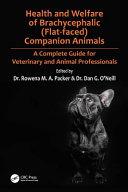
Problémy se zdravím a welfare brachycefalických (plochočelých) zvířat jsou v současnosti jedním z nejpalčivějších problémů, kterým čelí domácí mazlíčci. Zejména psi trpí „brachycefalickou krizí“, která je výsledkem několika faktorů, kdy predispozice k řadě zdravotních problémů jsou zesíleny populačním boomem určitých brachycefalických plemen, jako je francouzský buldoček a mops. Přesto však pro mnoho majitelů tito psi představují dokonalého společníka: roztomilé osobnosti s roztomilým vzhledem. Kde je tedy na tom všem pravda?
Tato kniha vybaví veterinární odborníky, vědce v oblasti welfare zvířat, chovatele a majitele zvířat ucelenějším příběhem o zdraví a welfare brachycefalických zvířat. První polovina knihy poskytuje kontext toho, jak a proč se nacházíme v této krizi. Publikace nabízí hloubkové historické, sociální, etické, komunikační, ošetřovatelské, welfare, epidemiologické, genetické a mezinárodní perspektivy. Druhá polovina publikace se přesouvá do klinické oblasti s kapitolami, které se zabývají pozadím, diagnostikou, léčbou a prevencí mnoha jedinečných potřeb zdravotní péče u brachycefalických zvířat. Kniha sdílí špičkové znalosti v řadě oborů, včetně respiračních onemocnění, oftalmologie, dermatologie, stomatologie, neurologie, obezity, reprodukce a anesteziologie.
Tato jedinečná publikace je věnované výhradně brachycefalii u domácích zvířat. Ve dvaceti kapitolách od předních světových odborníků jsou shrnuty celoživotní zkušenosti a znalosti. Tento zásadní referenční zdroj vás bude informovat a motivovat. Otevře vaši odbornou činnost novým příležitostem ke zlepšení welfare brachycefalických zvířat prostřednictvím vašich osobních i kolektivních rozhodnutí a činů. Připravte se však na překvapení: možná zjistíte, že vaše názory na brachycefalii u domácích zvířat se navždy změní.
Životopis autorského kolektivu:
Rowena absolvovala Univerzitu v Bristolu s bakalářským titulem v oboru chování a welfare zvířat (2009). Poté pokračovala v doktorském studiu na Královské veterinární fakultě (2013), kde zkoumala dopad konformačních extrémů na zdraví psů se zaměřením na brachycefalická plemena. Tato práce vyvrcholila výzkumnou akcí s názvem „Building Better Brachycephalic“ v roce 2013. Od té doby ovlivnila mezinárodní politiku a legislativu v oblasti chovu brachycefalických psů. Od dokončení doktorského studia pokračuje v práci v RVC v oblasti výzkumu zdraví a welfare psů, včetně získání stipendia BBSRC Future Leader Fellowship v roce 2016. Nyní je lektorkou chování a welfare společenských zvířat na RVC a vede výzkumný tým, který se zabývá různými tématy v této oblasti. Rowena je autorkou více než 60 článků o zdraví a welfare psů a koček od roku 2012. V roce 2016 jí byla udělena cena UFAW pro mladého vědce roku v oblasti welfare zvířat. Rowena je spoluvedoucí výzkumného týmu RVC pro brachycefalický syndrom a zakládající členkou britské pracovní skupiny pro brachycefalický syndrom.
Dan absolvoval veterinární medicínu v Dublinu v roce 1987. Po 22 letech praxe v oboru všeobecné praxe pro malá i velká zvířata a také v průmyslu získal v roce 2009 titul MSc v epidemiologii. V roce 2014 mu byl udělen doktorát na Královské veterinární fakultě (RVC) za vývoj programu VetCompass™ pro hodnocení vlivu plemen na zdraví psů a koček. Nyní je docentem epidemiologie společenských zvířat na RVC. Dan je od roku 2012 autorem více než 70 článků o VetCompass™, které poskytují důkazy o welfare a srovnávací ukazatele relevantní pro britská společenská zvířata. Je spoluautorem 3. vydání knihy „ Předpoklady plemen k nemocem u psů a koček “ a také knihy o zdraví křečků „ Křečci; v nemoci a ve zdraví “. V roce 2018 mu RCVS udělila stipendium a v roce 2019 cenu Blaine Award od BSAVA. Jeho současný výzkumný program se zaměřuje na zdraví psů a koček související s plemeny, a to na základě klinických dat VetCompass sdílených z více než 30 % veterinárních ordinací ve Spojeném království. Dan předsedá britské pracovní skupině pro brachycefalický syndrom a je vedoucím výzkumného týmu pro brachycefalický syndrom Královské veterinární akademie. Danovým étosem je, že bez dobrých důkazů se všichni jen tápeme ve tmě.
Recenze kritiků:
Není absolutně pochyb o tom, že kolektivní odbornost, kterou tato kniha čtenáři přináší, je nesmírná. Pokud se potýkáte s klinickými problémy u těchto pacientů – zejména psů – jako je tolik veterinářů a zdravotních sester po celém světě, pak pochybuji, že byste přišli s otázkou nebo scénářem, který by nebyl podrobně a komplexně pokryt od oftalmologie a neurologie, přes chirurgii BOAS až po gastrointestinální a dermatologické problémy. Tolik z nás mluví o BOAS a tolik CPD se mu věnuje, ale je skvělé mít knihu, která uznává množství nemocí, kterými tato zvířata trpí kromě svých dýchacích potíží. Každý, kdo zpochybňuje, zda je morálně špatné pokračovat v chovu těchto zvířat, by se podle mě jen těžko s touto váhou důkazů hádal. A pro mě je právě v tomto kniha opravdu vynikající – první polovina, diplomaticky nazvaná Širší pohledy, je skutečně skvělou etickou diskusí o celém problému, která mě od začátku ponořila do dění. Potřebujeme klinické vzdělání, ale také musíme velmi zvážit hlubší otázky, což tato kniha rozhodně dělá. Rowena a Dan by měli být právem hrdí na tuto práci a vynikající odborné znalosti, které shromáždili k jejímu dokončení. Ať už se nám status quo líbí, nebo ne, tato kniha je nezbytným a neocenitelným zdrojem pro každého, kdo s těmito zvířaty pracuje nebo se zajímá o širší etiku tak extrémních konformací.
- Emma Milne, veterinární chirurgyně, v časopise UFAW o welfare zvířat, svazek 31, číslo 2, květen 2022
Záhadou domácích mazlíčků s plochým obličejem je, že je lidé milují navzdory – a někdy právě kvůli – vlastnostem, které mohou způsobovat zdravotní problémy. V době zvýšeného zájmu o welfare a popularitu brachycefalických plemen sdružuje tato komplexní publikace světové odborníky, aby se zabývali historií, lidskou psychologií, etikou, genetikou a veterinárními aspekty péče o ně. Tato překvapivá, promyšlená a praktická kniha je nezbytnou četbou pro každého, komu záleží na welfare zvířat.
- Zazie Todd, PhD, Canisius College, webové stránky psychologie společenských zvířat
Konečně. Tolik potřebný, komplexní a vědecky podložený pohled na psy s plochým obličejem – jak vznikli a jak můžeme a musíme zlepšit jejich pohodu. Toto je nezbytná kniha pro veterinární odborníky i majitele psů.
-- Mia Cobb, PhD, a Julie Hecht, MSc, z knihy Věříte v psa?
Kniha je vynikajícím a jedinečným zdrojem pro všechny veterinární odborníky pracující s těmito plemeny. Vzhledem k tomu, že popularita těchto psů neustále roste, tato kniha poskytuje podrobný přehled historie plemen, jedinečné povahy vztahů mezi majitelem a pacientem a genetiky a etiky chovu. Druhá část knihy je věnována diskusi o léčbě široké škály konformačních abnormalit, které se u těchto plemen často vyskytují. Shromáždění všech těchto informací do jednoho textu bude neocenitelným zdrojem pro referenci jak v klinikách, tak i mimo ně.
-- Rachel Hattersley, BVetMed (Hons), CertSAS, DECVS, MRCVS, specialistka na chirurgii měkkých tkání, Dick White Referrals Ltd
Tato kniha je nepostradatelným nástrojem jak pro veterinární odborníky a odborníky na ochranu zvířat, tak pro ty, kteří se chtějí lépe informovat. Poskytuje čtenáři široké pochopení komplexních faktorů a důsledků chovu společníků s brachycefalickými znaky. A co je nejdůležitější, navrhuje také integrované mechanismy pro zvládání a změnu toho, co je i nadále sporným a neřešitelným problémem.
-- Mark J Farnworth, PhD., docent (Welfare zvířat), Vědy o zvířatech, venkově a životním prostředí, Nottingham Trent University, Spojené království
Autor: Rowena Packer, Dan O'Neill
| Nakladatel | CRC Press |
|---|---|
| ISBN | 9780367207243 |
| Vydání | 2021 |
| Vazba | brožovaná |
| Počet stran | 418 |
Health and welfare issues of brachycephalic (flat-faced) animals are one of the most pressing problems facing companion animals right now. Dogs, in particular, are suffering from a ‘brachycephalic crisis’ resulting from a perfect storm where predispositions to an array of health issues are amplified by a population boom for certain brachycephalic breeds such as the French Bulldog and Pug. But yet, for many owners, these dogs represent the perfect companion: endearing personas and cute looks in a socially desirable package. So where is the truth in all of this?
This book will equip veterinary professionals, animal welfare scientists, breeders and owners with the fuller story about brachycephalic health and welfare. The first half of the book provides the context of how and why we are in this crisis, offering in-depth historical, social, ethical, communication, nursing, welfare, epidemiological, genetics and international perspectives. The second half shifts towards the clinical arena, with chapters that cover the background, diagnosis, treatment and prevention of the many unique healthcare needs of brachycephalic animals. Cutting-edge knowledge is shared on a range of disciplines including respiratory disease, ophthalmology, dermatology, dentistry, neurology, obesity, reproduction and anesthesia.
With twenty chapters written by world-leading experts, lifetimes of experience and knowledge are condensed into the first book dedicated exclusively to brachycephaly in companion animals. This essential reference resource will inform, challenge and stimulate; it will open your mind to new opportunities for you to improve the welfare of brachycephalic animals by your personal and collective choices and actions. But prepare to be surprised: you may just find that your views on brachycephaly in companion animals will be changed forever.
Rowena graduated from the University of Bristol with a first-class BSc in Animal Behaviour and Welfare (2009). She then went on to complete a PhD at the Royal Veterinary College (2013) exploring the impact of conformational extremes on canine health, focusing on brachycephalic breeds. This work culminated in a research impact event ‘Building Better Brachycephalics’ in 2013 and has since influenced international policy and legislation on the breeding of brachycephalic dogs. She has continued to work at RVC in the field of canine health and welfare research since finishing her PhD, including being awarded a BBSRC Future Leader Fellowship in 2016. She is now Lecturer in Companion Animal Behaviour and Welfare Science at RVC and leads a research team exploring diverse topics in this area. Rowena has authored over 60 papers on canine and feline health and welfare since 2012. She was awarded UFAW’s Young Animal Welfare Scientist of the Year Award in 2016. Rowena is co-leader of RVC’s Brachycephalic Research Team and a founding member of the UK Brachycephalic Working Group.
Dan graduated in veterinary medicine from Dublin in 1987. After 22 years in small and large animal general practice as well as in industry, he gained an MSc in epidemiology in 2009. He was awarded a PhD in 2014 at the Royal Veterinary College (RVC) for developing the VetCompass™ Programme to evaluate breed effects on the health of dogs and cats. He is now Senior Lecturer in Companion Animal Epidemiology at the RVC. Dan has authored over 70 VetCompass™ papers since 2012 that provide welfare evidence and benchmarks relevant to UK companion animals. He co-authored the 3rd edition of the book ‘Breed Predispositions to Disease in Dogs and Cats’ as well as a book on hamster health ‘Hamsters; in sickness and in health’. He was awarded a fellowship by RCVS in 2018 and the Blaine Award by BSAVA in 2019. His current research programme focusses on breed-related health in dogs and cats based on applying VetCompass clinical data shared from over 30% of UK vet practices. Dan chairs the UK Brachycephalic Working Group and is a leader of the Royal Veterinary College’s Brachycephalic Research team. Dan’s ethos is that without good evidence, we are all just muddling around in the darkness.
Critics Rewiev
There is absolutely no doubt that the collective expertise that this book brings to the reader is immense. If you are facing clinical issues in these patients — notably dogs — as so many vets and nurses are worldwide, then I doubt you could come up with a question or scenario that isn’t covered in an in-depth and comprehensive way from ophthalmology and neurology, to BOAS surgery, to GI and dermatological issues. So many of us talk about BOAS and so much CPD is dedicated to it but it’s great to have a book that acknowledges the multitude of diseases that these animals suffer besides their respiratory difficulties. Anyone questioning whether it is morally wrong to continue the breeding of these animals would be hard pushed to argue with this weight of evidence I think. And, for me, this is where the book is really excellent — the first half, diplomatically entitled Wider viewpoints, really is a wonderful ethical discussion around the whole issue that had me immersed from the start. We need the clinical education but we, very much, also need to consider the deeper issues, which this book certainly does. Rowena and Dan should be rightly proud of this work and the outstanding expertise they have gathered to bring it together. Whether we like the status quo or not, this book is an essential and invaluable resource for anyone working with these animals or interested in the wider ethics of such extreme conformation.
- Emma Milne, Veterinary Surgeon, in UFAW's Animal Welfare journal, Volume 31, Issue 2, May 2022
The conundrum of flat-faced pets is that people love them despite – and sometimes because of – the features that may cause health issues. At a time of heightened concern about the welfare and popularity of brachycephalic breeds, this comprehensive volume brings together the world’s experts to consider the history, human psychology, ethics, genetics, and veterinary aspects of caring for them. Surprising, thoughtful, and practical, this book is essential reading for anyone who cares about animal welfare.
- Zazie Todd, PhD, Canisius College, Companion Animal Psychology website
Finally. A much-needed, comprehensive, science-based look at flat-faced dogs--how they came to be and how we can, and must, improve their wellbeing. This is an essential book for veterinary professionals and dog owners alike.
-- Mia Cobb, PhD, and Julie Hecht, MSc, of Do You Believe in Dog?
Health and Welfare of Brachycephalic Companion Animals is an excellent and unique resource for all veterinary professionals working with these breeds. As the popularity of these dogs continues to increase, this book provides a detailed exploration of the history of the breeds, the unique nature of owner/ patient relationships and the genetics and ethics of breeding. The second part of the book is dedicated to discussion of the management of the wide range of conformational abnormalities which occur frequently in these breeds. Having all this information gathered together in to a single text will be an invaluable source for reference both in and out of the clinic.
-- Rachel Hattersley, BVetMed(Hons), CertSAS, DECVS, MRCVS, Specialist in Soft Tissue Surgery, Dick White Referrals Ltd
This book is a vital tool for both veterinary and animal welfare professionals, as well as those simply looking to be better informed. It provides the reader with a broad understanding of the complex drivers and consequences of breeding companion animals for brachycephalic features. Most importantly, it also proposes integrated mechanisms for management and change of what continues to be a contentious and intractable problem.
-- Mark J Farnworth PhD., Associate Professor (Animal Welfare), Animal, Rural and Environmental Sciences, Nottingham Trent University, UK
| Foreword | xi |
| Editors | xiii |
| Contributors | xv |
| Rowena M. A. Packer and Dan G. O'Neill: Introduction: How Can a Brachycephalic Boom Cause a Welfare Bust? | 1 |
| Part 1 Wider Viewpoints | 2 |
| Alison Skipper: PART 1 A Historical Perspective of Brachycephalic Breed Health and the Role of the Veterinary Profession. | 7 |
| Rowena M. A. Packer: Flat-faced Fandom: Why do People Love Brachycephalic Dogs and Keep Coming Back for More? | 25 |
| Anne Quain, Siobhan Mullan and Paul McGreevy: Ethical Challenges of Treating Brachycephalic Dogs. | 41 |
| Zoe Belshaw and Sean Wensley: Discussing Brachycephalic Health with Current and Prospective Dog Owners. | 55 |
| Kate Price: Nurses and the Brachycephalic Patient – Practical Considerations and the Role of Veterinary Nurses in Improving Brachycephalic Health. | 69 |
| Dan G. O’Neill: The Epidemiology of Brachycephalic Health – Understanding the Sciences and Exploring the Evidence on Demography, Disorders Frequency and Risk Factors | 85 |
| David Sargan: The Genetics of Brachycephaly, Population Genetics and Current Health Testing for Brachycephalic Breeds. | 107 |
| Brenda N. Bonnett, Monique Megens, Dan G. O’Neill and Ake Hedhammar: International and National Approaches to Brachycephalic Breed Health Reforms in Dogs. | 127 |
| Jane Ladlow and Nai-Chieh Liu: PART 2 Brachycephalic Obstructive Airway Syndrome (BOAS) – Clinical Assessment and Decision Making. | 155 |
| Michael S. Tivers and Elizabeth Leece: Brachycephalic Obstructive Airway Syndrome (BOAS) - Surgical Management and Post-operative Management. | 177 |
| Màrian Matas Riera: Ophthalmology in Practice for Brachycephalic Breeds. | 201 |
| Hilary Jackson and Deborah Gow: Dermatological Problems in the Brachycephalic Patient. | 219 |
| Fraser Hale: Dental and Oral Health for the Brachycephalic Companion Animal | 235 |
| Clare Rusbridge and Penny Knowler: Brain Disorders Associated with Brachycephaly | 251 |
| Steven De Decker and Rodrigo Gutierrez-Quintana: Vertebral Malformations and Spinal Disease in Brachycephalic Breeds. | 291 |
| Eleanor Raffan: Obesity and Weight Management of Brachycephalic Animals. | 311 |
| Aoife Reid, Laura Cuddy and Dan G. O’Neill: Reproduction in Brachycephalic Companion Animal Species. | 329 |
| Frances Downing and Rebecca Robinson: Anaesthesia for the Brachycephalic Patient. | 353 |
| Dan G. O'Neill and Rowena M. A. Packer: Conclusion: Where Are Now? And What Should or Could We Do Next? | 377 |
| Index | 387 |