Illustrated Textbook of Clinical Diagnosis in Farm Animals
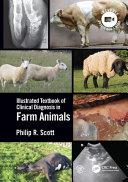
Včasné odhalení onemocnění u hospodářských zvířat může zabránit rozsáhlým infekcím stáda a ušetřit farmářům tisíce dolarů na nákladech na léčbu a ztrátě produktivity. Tato příručka poskytuje veterinářům a odborníkům na zdraví zvířat diagnostické dovednosti, od rozpoznávání jemných klinických příznaků až po zavádění účinných léčebných protokolů pro skot, ovce, prasata a drůbež.
Tato příručka poskytuje studentům veterinární medicíny zcela nový přístup k medicíně velkých zvířat. Nejprve popisuje podrobné vyšetření každého orgánového systému, které je možné na farmě provést pomocí technologií, jako je rychlé ultrazvukové vyšetření a rentgen. Příručka je bohatě ilustrována unikátními obrázky a videozáznamy. Klíčové body, obrázky a videozáznamy poté poskytují seřazené seznamy diferenciálních diagnóz běžných klinických projevů onemocnění hospodářských zvířat. Pomocí více než 1000 30-60sekundových videoklipů, které ukazují klinický obraz, diagnózu, zotavení nebo patologii všech běžných onemocnění, které jsou přístupně v terénu za pomocí chytrého telefonu praktikům usnadní jejich odbornou činnost. K tomuto úložišti je možné přistupovat prostřednictvím odkazu na webové stránky publikace. Text plný obrázků shrnuje základní informace logickým a snadno přístupným způsobem, což napomáhá diagnostice. Malá a spirálovitě vázaná kniha nabízí studentům veterinární medicíny záchranné lano během jejich stáží v rámci EMS (mimoškolního studia).
„Opravdu si nemyslím, že tato kniha bude někdy překonána jako „klíčová“ klinická příručka o přežvýkavcích pro studenty bakalářského studia, čerstvé absolventy a veterináře ve smíšené praxi, kteří netráví většinu času s hospodářskými zvířaty.“
-- Neil Frame, Cert.E.P, Cert.V.A, RCVS Advanced Practitioner (Equine Practice), MRCVS (vet)
Autor: Philip R Scott
| Nakladatel | CRC Press |
|---|---|
| ISBN | 9780367612702 |
| Vydání | 2022 |
| Vazba | spirálová |
| Počet stran | 414 |
Early disease detection in livestock can prevent widespread herd infections and save farmers thousands of dollars in treatment costs and lost productivity. This guide provides veterinarians and animal health professionals with diagnostic skills, from recognizing subtle clinical signs to implementing effective treatment protocols for cattle, sheep, pigs, and poultry.
"I really don't think this book will ever be surpassed as the 'go-to' clinical ruminant reference for undergraduates, recent grads and vets in mixed practice who do not spend the majority of their time with farm animals."
-- Neil Frame, Cert.E.P, Cert.V.A, RCVS Advanced Practitioner (Equine Practice), MRCVS (vet)
Providing veterinary students with a brand-new approach to large animal medicine, this portable textbook first describes the detailed examination of each organ system achievable on the farm using technologies such as rapid ultrasound examination and radiography, illustrated via unique images and video recordings. Key points, images and video recordings then provide the ranked lists of differential diagnoses for common farm animal clinical presentations requested by veterinary students to aid their examination. The repository of over 1000 30-60 second video clips accompanying the book show the clinical presentation, diagnosis, recovery or pathology of all common disorders, accessible on the farm with a smart phone. This repository can be accessed via https://routledgetextbooks.com/textbooks/9780367612702/
Packed with imagery, the text distils the essential information in a logical, easily accessible way, aiding diagnosis. Small and spiral-bound, the book offers a lifeline for veterinary students during their EMS (extra-mural studies) placements.
Critics Review
This book is what the veterinary student dreams of having, and yet no one has produced it - before now!
-- Chelsie Bailey, BSc Veterinary student, University of Bristol, and BSc Animal Behaviour & Welfare Science
This book represents a detailed and innovative way to learn important livestock diseases. The ultrasound sections will be extremely beneficial to students, especially the inclusion of information regarding how to use the scanner appropriately, as well as details of normal ultrasonographic findings. Having the photographs of the ultrasound scans alongside the gross pathology also helps to make connections between the two and allows for better understanding. The videos highlighting clinical presentation and diagnostics will really help students cement their understanding of the diseases and will be useful as an aid on clinical placements and thereafter.
-- Kayleigh Hanlon, Final Year Veterinary Student, University of Surrey, and BSc (Hons) Bioveterinary Science
This is a vital contribution to clinical understanding of veterinary work with ruminants, as well as reminding all of us of the part we can play every single day in terms of improving welfare. Even this week it has altered how an old set-in-my-ways practitioner thinks about things. The book is a readily available 'how to' on-the-spot guide: a new way of increasing understanding of how to actually function in veterinary practice for younger graduates, who are often cast into their first job with little experience. The wealth of videos and photos are the result of the recording of an enormous spectrum of conditions over a lifetime of work, and will be a life-saver for many. I really don't think it will ever be surpassed as the 'go-to' clinical ruminant reference for undergraduates, recent grads. and vets in mixed practice who do not spend the majority of their time with farm animals. It makes me wonder what I have been doing with my veterinary life!
-- Neil Frame, Cert.E.P, Cert.V.A, RCVS Advanced Practitioner (Equine Practice), MRCVS (vet)
The book covers a wide range of topics from livestock husbandry and general examination to specific organ systems-based diseases. Each chapter presents useful descriptions of the disease and images taken ante- and post-mortem. In addition, there are 30-60-second videos of pertinent clinical cases. Tables are used throughout to help rank presenting signs and list ancillary tests. The book is written primarily with diseases present in the U.K. The discussion of animal welfare is given emphasis in diagnosis and decision-making.
-- Tessa Marshall, BVSc, MS, DABVP, University of Illinois College of Veterinary Medicine
Biography
Dr. Phil Scott has 43 years’ experience of farm animal medicine and surgery in both first opinion practice and in a veterinary school teaching hospital. He has Masters and Doctoral degrees, is a Fellow of the Royal College of Veterinary Surgeons, as well as a Diplomat of the European College of Small Ruminant Health Management and the European College of Bovine Health Management. He is the author of three other textbooks, many book chapters, and over 150 referred scientific publications.
| Author | vii |
| Introduction | ix |
| PART 1 Veterinary Involvement on Farms | 1 |
| Chapter 1.1 Flock Inspection | 2 |
| Chapter 1.2 General examination: Toxaemia | 9 |
| Chapter 1.3 Pain and Fear | 11 |
| Chapter 1.4 Promoting veterinary services by demonstrating a benefit:cost | 13 |
| Chapter 1.5 Identification of acute disease in cattle | 15 |
| Chapter 1.6 Identification of chronic illness in cattle | 17 |
| PART 2 Examination of Organ Systems | 22 |
| Chapter 2.1 Examination of the Reproductive System | 23 |
| Chapter 2.2 Examination of the Digestive System | 36 |
| Chapter 2.3 Examination of the Respiratory System | 47 |
| Chapter 2.4 Examination of the Cardiovascular System | 66 |
| Chapter 2.5 Examination of the Nervous System | 73 |
| Chapter 2.6 Examination of the Musculoskeletal System | 86 |
| Chapter 2.7 Examination of the Urinary System | 100 |
| Chapter 2.8 Examination of the Skin/Fleece | 103 |
| Chapter 2.9 Examination of the Udder | 107 |
| PART 3 Clinical Problems | 109 |
| Chapter 3.1 Blindness | 110 |
| Chapter 3.2 Behavioural changes, Gait Abnormalites, Cranila Nerve Deficits, Head Tilt | 118 |
| Chapter 3.3 Weakness - spinal lesions | 136 |
| Chapter 3.4 Common causes of diarrhoea | 149 |
| Chapter 3.5 Common causes of poor appetite and low body condition | 160 |
| Chapter 3.6 Common causes of increased abdominal content | 177 |
| Chapter 3.7 Common causes of abortion in sheep | 192 |
| Chapter 3.8 Common causes of dystocia | 195 |
| Chapter 3.9 Common causes of tenesmus and prolapse | 205 |
| Chapter 3.10 Lameness | 211 |
| Chapter 3.11 Skeletal system/fractures | 234 |
| Chapter 3.12 Common causes of muscle lesions | 242 |
| Chapter 3.13 Common causes of peripheral oedema, jugular distension and ascites | 248 |
| Chapter 3.14 Veterinary investigation of perinatal mortality | 252 |
| Chapter 3.15 Poor growth rate | 262 |
| Chapter 3.16 Poor conception/pregnancy rate in sheep | 273 |
| Chapter 3.17 Common causes of tachypnoea and/or coughing | 276 |
| Chapter 3.18 Common causes of changes in scrotal size | 296 |
| Chapter 3.19 Common causes of skin lesions | 300 |
| Chapter 3.20 Common causes of facial/mandibular swellings in cattle | 312 |
| Chapter 3.21 Common causes of subcutaneous swellings in cattle | 316 |
| Chapter 3.22 Common causes of sudden death | 319 |
| Chapter 3.23 Udder lesions in cattle | 340 |
| Chapter 3.24 Common causes of mastitis in sheep | 342 |
| Chapter 3.25 Common causes of abnormal urination in sheep | 345 |
| Chapter 3.26 Common conditions of the penis in rams | 348 |
| Chapter 3.27 Common causes of weakness/recumbency | 351 |
| Chapter 3.28 Common causes of chronic weight loss/emaciation | 370 |
| Index | 387 |