Textbook of Equine Veterinary Nursing
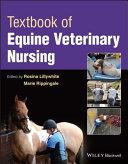
Učebnice veterinární ošetřovatelství koní poskytuje znalostí a základní dovednosti spojených s veterinárním ošetřováním koní. Jedná se o komplexní zdroj informací pro veterinárního ošetřovatele koní. Poskytuje základní témata včetně anatomie a fyziologie, klinického vyšetření, podávání léků, chovu, kontroly infekcí a péče o koňské kritické pacienty. Zahrnuty jsou také specifické požadavky na ošetřovatelskou péči u novorozenců a osly.
Čtenáři najdou také:
Podrobná diskuse o tématech včetně aplikovaného welfare koní, onemocnění a anestezie koní.
Informace, pomůcky a pokyny ke zkouškám pro kvalifikaci veterinárního ošetřovatelství koní.
Poradenství v oblasti kariérního postupu, další kvalifikace a školení v oblasti péče o koně.
Učebnice veterinárního ošetřovatelství koní byla sestavena týmem zkušených veterinárních sester koní a veterinárních lékařů koní. Je založená na výzkumu založeném na důkazech.
Autor: Rosina Lillywhite (Editor), Marie Rippingale (Editor)
| Nakladatel | Wiley-Blackwell |
|---|---|
| ISBN | 9781119861942 |
| Vydání | 2025 |
| Vazba | brožovaná |
| Počet stran | 832 |
Textbook of Equine Veterinary Nursing provides an introduction to the required knowledge and fundamental skills involved with veterinary nursing care for equine patients. It is a rigorous and comprehensive resource for any individual working in the equine veterinary industry, covering core topics including anatomy and physiology, clinical examination, medication administration, husbandry, infection control, and critical care for equine patients. Specific nursing care requirements for neonates and donkeys are also included.
Textbook of Equine Veterinary Nursing readers will also find:
Detailed discussion of topics including applied equine welfare, equine medical and surgical disorders, and equine anaesthesia
Information, revision aids, and exam guidance specific to the current syllabi for the equine veterinary nursing qualification
Advice on career progression, further qualifications, and training in equine care
Written by a team of experienced equine veterinary nurses and equine veterinary surgeons and based on evidence-based research, Textbook of Equine Veterinary Nursing is ideal for equine veterinary nurses, student equine veterinary nurses,
Contents:
Table of Contents
Title Page
Copyright Page
List of Contributors
Foreword
Preface
About the Companion Website
1 Operational Requirements in Equine Practice
Glossary
1.1 Aims of Health and Safety
1.2 Health and Safety Legislation
1.3 Risk Assessments
1.4 Fire Safety
1.5 Personal Protective Equipment (PPE)
1.6 Accident Reporting
1.7 Maintaining Equipment in Practice
1.8 Emergency First Aid
1.9 Working Time Requirements and Pay
References
2 Professional Relationships and Communication
Introduction
2.1 The Dynamics of Communication
2.2 Communicating with Clients
2.3 Factors Affecting Working Relationships with Clients
2.4 Relationships and Communication Within the Veterinary Team
2.5 Operation of a Veterinary Reception Desk
2.6 Customer Service
References
Further Reading
3 Professional Veterinary Nursing Responsibilities
3.1 The Legal Framework for Veterinary Nursing Practice
3.2 Professional Status and Accountability
3.3 Ethical Principles
3.4 Consent
3.5 Legal and Ethical Duties to Self, Clients, Colleagues and Animals
3.6 The Professional Role of an Equine Registered Veterinary Nurse in Practice
References
Useful Websites
4 Equine Anatomy and Physiology
4.1 Veterinary Terminology
4.2 Anatomical Boundaries and Body Cavities
4.3 Cell Biology
4.4 Basic Tissue Types
4.5 Structure and Function of the Integument
4.6 Structure and Function of the Musculoskeletal System
4.7 Structure and Function of the Nervous System and the Special Senses
4.8 Structure and Function of the Endocrine System
4.9 Structure and Function of the Circulatory System
4.10 Structure and Function of the Lymphatic System
4.11 Structure and Function of the Respiratory System
4.12 Structure and Function of the Digestive System
4.13 Structure and Function of the Urinary System
4.14 Structure and Function of the Reproductive System
References
5 Applied Equine Welfare, Health and Husbandry
Introduction
5.1 The Principles of Equine Welfare
5.2 Essential Factors for Maintaining Equine Health
5.3 Nutritional Requirements of Equine Patients
5.4 Methods of Equine Identification
5.5 Behaviour and Handling and Restraint Techniques
5.6 Transportation of Equine Patients
References
Further Reading
6 Infection Control
6.1 Disease Transmission
6.2 Microorganisms
6.3 Antimicrobial Resistance
6.4 Infection Control Measures in Equine Practice
6.5 Antiseptics and Disinfectants
6.6 Effective Clinical Cleaning
6.7 Isolation and Barrier Nursing
6.8 Clinical Audits
Acknowledgement
References
Further Reading
7 Diagnostic Imaging
Glossary
7.1 Key Features of Legislation and Radiation Safety
7.2 Principals and Production of Radiation
7.3 Scintigraphy
7.4 Other Imaging Modalities
References
Further Reading
8 Laboratory
Introduction
8.1 Safe Use of Laboratory Equipment
8.2 Sample Collection and Testing
8.3 Commercial Test Kits
8.4 Causes of Sample Deterioration or Loss
8.5 Packaging of Samples
8.6 Laboratory Sample Paperwork
8.7 Laboratory Results
References
Further Reading
9 Pharmacology and Dispensary Management
Pharmacy Terminology and Abbreviations
9.1 Legal Requirements for Storing and Supplying Veterinary Medicines
9.2 The Role of the Suitably Qualified Person – SQP
9.3 Pharmacology
9.4 Common Classifications of Medications
9.5 Routes of Administration for Medications
9.6 Adverse Reactions
References
Further Reading
10 Anaesthesia and Analgesia
Glossary
10.1 The Principles of Anaesthesia
10.2 Anaesthetic Drugs
10.3 Anaesthetic Equipment
10.4 Anaesthetic Risks and Induction
10.5 Monitoring Techniques for Anaesthetised Equine Patients
10.6 Anaesthetic Emergencies
References
Further Reading
11 Theatre Practice
Glossary
11.1 The Principles of Operating Theatre Design and Use
11.2 Maintenance and Cleaning of the Theatre Suite
11.3 Roles in the Operating Theatre
11.4 Instruments
11.5 Suture Materials
11.6 Instrument Care and Sterilisation
References
12 Surgical Nursing and Patient Care
Glossary
12.1 Admitting the Surgical Patient
12.2 Preparing the Surgical Patient
12.3 Wounds
12.4 Fracture Repair
12.5 Equine Dental Surgery
12.6 Sinus Surgery
12.7 Requirements for Handover From the Operating Theatre
12.8 Surgical Nursing and Patient Care for Specific Procedures
12.9 Oncological Treatments
References
Further Reading
13 Medical Nursing and Patient Care
Glossary
Introduction
13.1 Commonly Encountered Medical Disorders
13.2 Pathophysiological States and Common Pathologies Affecting Patients
13.3 Abnormal Diagnostic Test Results
13.4 Care Plans and Care Bundles
13.5 Chronic Wound Care
13.6 Effective Home and Follow‐up Care for Horses with Long‐term Illness
References
Further Reading
14 Emergency and Critical Care Nursing
14.1 First Aid
14.2 Work‐up of the Emergent Patient
14.3 Accommodation for Critically Ill Patients
14.4 Nursing Requirements of the Critically Ill Horse
14.5 Critical Care Techniques for Respiratory Disorders
14.6 Management of the Patient with Critical Thoracic Trauma
14.7 Intensive Nursing Requirements for Horses
14.8 Fluid Therapy
14.9 Blood Products
14.10 Pain Assessment in Equine Patients
References
Further Reading
Useful Links
15 Equine Reproduction, Parturition and Neonatal Nursing Care
15.1 Equine Reproduction and Breeding
15.2 Normal Foal Physiology and Development
15.3 Foal Nutrition and Feeding
15.4 Routine Veterinary Care of Normal Foals
15.5 Nursing Requirements of Sick Foals
15.6 Nursing Support of Foals Undergoing Investigations and Supportive Therapies
15.7 Monitoring Techniques for Sick Foals
References
Further Reading
16 Donkeys
Introduction
16.1 Behaviour
16.2 Handling and Restraint
16.3 Nutrition
16.4 Differences in Anatomy and Physiology
16.5 Common Donkey Disorders
16.6 Pain Recognition in Donkeys
16.7 The Role of the RVN in Facilitating Owner Concordance
16.8 Conclusion
Acknowledgement
References
Further Reading
Useful Links
17 Practical Equine Veterinary Nursing
17.1 Clinical Examination
17.2 Administration of Medication
17.3 Intravenous Catheter Placement
17.4 Bandaging Techniques
17.5 Nasogastric Intubation
17.6 Urinary Catheterisation
17.7 Physical Therapy Techniques
17.8 Euthanasia
References
Further Reading
18 Exam Technique and Revision Aids
18.1 Preparing to Study
18.2 Revision
18.3 Written Exam Technique
18.4 Practical and Oral Assessments
18.5 Summary
Example Questions
References
Further Reading
Links
19 Career Progression
Introduction
19.1 Progression Within Clinical Practice
19.2 Management Roles in Practice
19.3 Roles in Education
19.4 Opportunities to Undertake Further Education
19.5 Roles in Research
19.6 Charitable Volunteering of Time and Skills
19.7 Career Sustainability
References
Further Reading
Index
End User License Agreement